

Trends
Disposable Vape Guide 2025: Safe Use, Flavors, Laws, and Smart Choices
Nov
Introduction
Disposable vape devices are now common in retail and online shops. If you search for “disposable vape,” you will find many devices, flavors, and claims. This guide explains what disposable vape products are, how they work, and what buyers should know. It also covers flavors, safety, laws, and environmental concerns. Read on to learn practical tips for choosing and using disposable vape models.
What is a disposable vape?
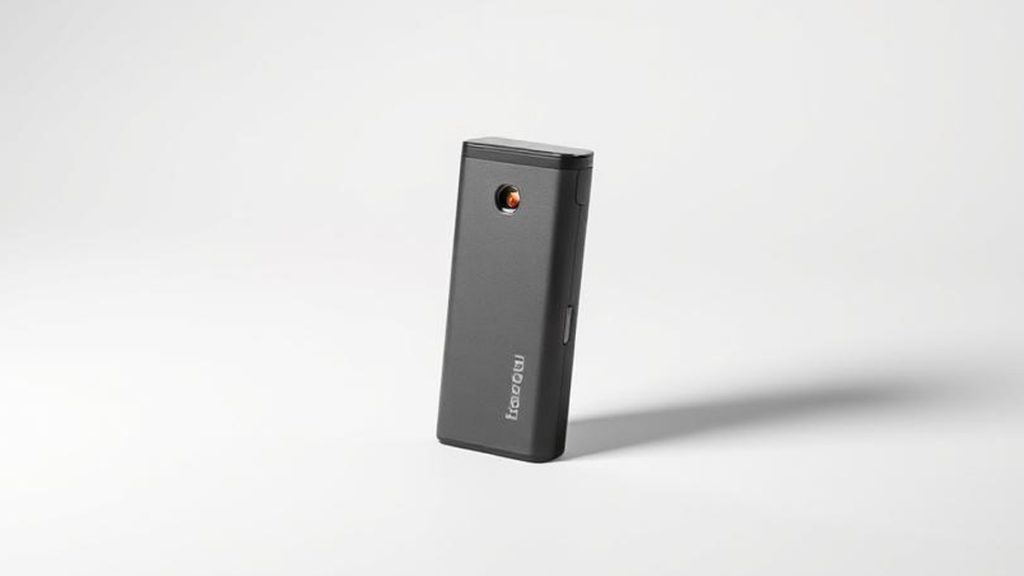
A disposable vape is a single-use electronic cigarette. They come prefilled with e-liquid and a charged battery. Users inhale vapor from a mouthpiece until liquid or battery life ends. After use, the whole unit is discarded. Therefore, disposables differ from rechargeable pod systems. They require no refilling, no coil changes, and no charging in most cases.

How disposable vape devices work
Disposable vape models use a small battery and a heating element. When you inhale, the device heats e-liquid into an aerosol. E-liquids usually contain propylene glycol, vegetable glycerin, flavorings, and often nicotine. Moreover, some products use nicotine salts for a smoother throat hit. The compact design makes them convenient for single-handed use.
Popular features and flavors
Manufacturers sell disposables in many flavors. Fruit, mint, dessert, and beverage profiles are common. Many devices advertise hundreds or thousands of puffs. They also vary in nicotine strength. For instance, nicotine-free options exist, while others match cigarette-like nicotine levels. In addition, some have LED puff counters. These features appeal to new and switching adult users.
Health considerations and risks
No inhaled nicotine product is risk-free. While disposable vape devices typically contain fewer toxicants than burned tobacco, they still expose users to nicotine and other chemicals. Short-term effects may include throat irritation and dizziness. Long-term effects of repeated vaping are still being researched. Furthermore, contaminants can appear due to poor manufacturing standards.
Nicotine and addiction
Nicotine in disposables reaches the bloodstream quickly. As a result, addiction risk exists. Youth and non-smokers are particularly vulnerable. If you do not use nicotine, avoid disposable vape products containing it. For adult smokers seeking to quit, evidence about vaping as a cessation aid is mixed. Therefore, consult a health professional for personalized advice.
Regulatory landscape for disposable vape
Laws vary by country and region. Some governments restrict flavors or nicotine levels. Others require child-resistant packaging and clear labeling. In certain markets, disposable vape sales to minors are prohibited. Moreover, new regulations continue to appear as authorities respond to trends. Keep updated about local laws before buying or selling these products.
Safety tips for consumers
Always buy from reputable sellers. Check packaging for product details and batch numbers. Avoid counterfeit or unlabeled disposable vape items. Store devices away from high heat and direct sunlight. Do not puncture or burn disposables; batteries may leak or catch fire. If a device feels unusually hot, stop using it and dispose of it safely.
Environmental impact
Disposable vape units produce more waste than reusable systems. Plastic, metal, battery components, and residual e-liquid are common. Improper disposal can release hazardous substances. Thus, environmental costs are significant. Consider returning used devices to authorized recycling centers where available. Alternatively, choose rechargeable pod systems to reduce waste.
Tips for choosing the right disposable vape
Decide your nicotine preference first. Compare puff counts and battery life. Read ingredient lists for PG, VG, nicotine salts, and flavoring information. Look for transparent manufacturers that publish lab testing. Price is important, but quality matters more. Choose brands with positive user reviews and clear customer support.
How to reduce risks with disposable vape devices
Start with low nicotine levels if you are new. Use devices as intended and avoid tampering. Do not share mouthpieces to prevent infections. Store disposables out of reach of children and pets. Follow local disposal guidelines and recycle when possible. If you experience adverse symptoms, stop using the device and seek medical help.

Counterfeit devices and red flags
Counterfeit disposable vape units often have missing labels, strange flavors, or inconsistent performance. Beware of products sold at unusually low prices. Packaging that lacks batch codes or manufacturer contact information is suspicious. Always check third-party lab test reports when provided.
Youth use and prevention strategies
Rising youth use of disposable vape products concerns public health officials. Stronger enforcement of age verification helps reduce underage sales. Parents should talk to teens about nicotine harms. Schools and communities can support education and cessation resources. For policymakers, flavor restrictions and marketing limits may reduce youth appeal.
Economic factors and market trends
The disposable vape market grew quickly due to convenience and flavor variety. However, regulatory pressure and environmental concerns shape industry trends. Some brands pivot to recyclable designs or refillable alternatives. Market consolidation may occur as regulations tighten and demand shifts.
Comparing disposable vape vs. refillable systems
Disposable devices win on convenience. Refillable systems win on cost and waste reduction. Refillable mods and pod systems allow battery recharging and e-liquid refills. Over time, reusable systems can be cheaper and greener. Yet they require maintenance and initial setup knowledge.

Consumer questions answered (FAQ)
– Are disposable vape devices illegal? Laws differ by location. Confirm local rules before purchasing.
– How long does one last? Lifespan varies from a few hundred to several thousand puffs.
– Can you recycle them? Some components are recyclable, but options depend on local facilities.
– Do disposables contain tobacco? They contain nicotine, often from tobacco, but no burned tobacco.
– Are they safer than cigarettes? Generally fewer combustion toxicants, but not risk-free.
Conclusion and recommendations
Disposable vape devices offer a simple way to vape without maintenance. However, they are not harmless. Balance convenience with health, cost, and environmental concerns. If you are an adult smoker considering vaping, discuss options with a healthcare professional. For non-smokers and youth, the safest option is to avoid nicotine products entirely.